 Business License

Precision Cooling Fans for Weather Monitoring Systems: The Hidden Technology Behind Accurate Climate
Behind every reliable, 24/7 weather monitoring system lies a crucial but often overlooked component — the cooling fan. As global climate observation networks continue to expand, equipment deployed in extreme environments such as freezing cold, high humidity, and sandstorms faces mounting challenges. To ensure continuous and precise data collection, advanced thermal management technology has become essential.
Why Reliable Cooling Is Critical for Meteorological Equipment
Weather stations are frequently installed in remote and unmanned locations — from mountain plateaus and deserts to coastal islands. Inside these systems, precision sensors generate substantial heat during continuous operation. Without effective heat dissipation, circuit boards can age prematurely, and sensors may drift out of calibration.
A 2023 study from a North American meteorological agency found that 37% of annual maintenance cases were directly caused by overheating.
Cooltron’s engineering team addressed this challenge with a modular cooling architecture that integrates axial fans and heat pipe conduction technology. During low-temperature testing in Alaska at –40°C, Cooltron’s NDS Series fans maintained a consistent 5,000 RPM, ensuring stable, all-weather cooling performance for meteorological systems.
Five Key Selection Criteria for Industrial-Grade Cooling Fans
Environmental Resistance: Fans should feature IP65 or higher protection to withstand rain, snow, and dust, while meeting MIL-STD-810G military vibration standards.
Aerodynamic Design: Blade geometry must work in harmony with the device’s internal airflow paths to achieve maximum efficiency.
Altitude Performance: At elevations above 3,000 meters, lower air density can reduce standard fan efficiency by up to 25%. Cooltron’s adaptive variable-frequency technology, powered by built-in barometric sensors, dynamically adjusts fan speed to maintain consistent cooling across different altitudes.
Noise and Energy Balance: Smart speed control ensures optimal performance while reducing unnecessary power consumption and acoustic output.
Longevity and Maintenance: Look for dual-bearing designs with reinforced materials to ensure durability and long-term stability in remote deployments.
Real-World Case Studies: Cooling That Endures the Elements
At an Antarctic research base, traditional fans failed as lubricants froze under subzero temperatures. Cooltron solved this issue with a specialized low-temperature lubrication system. Its dual-ball-bearing structure, combined with –60°C-rated lubricant, achieved zero failures over three consecutive years of continuous operation.
Meanwhile, in equatorial regions, Cooltron’s carbon-fiber composite fan blades demonstrated exceptional UV resistance. After 2,000 hours of accelerated ultraviolet testing, the material’s bending strength decreased by only 3%, far exceeding the industry average.
Cooltron: Delivering Confidence in Every Climate
From polar research stations to tropical weather outposts, Cooltron’s industrial cooling fans ensure precision, durability, and reliability — wherever critical monitoring is required.
Recently Posted
-
Cooltron Fans Qualified in Telecom Market
August 30, 2024Application Note: TelecomCooltron has been critical for maximizing equipment performance in various applications includi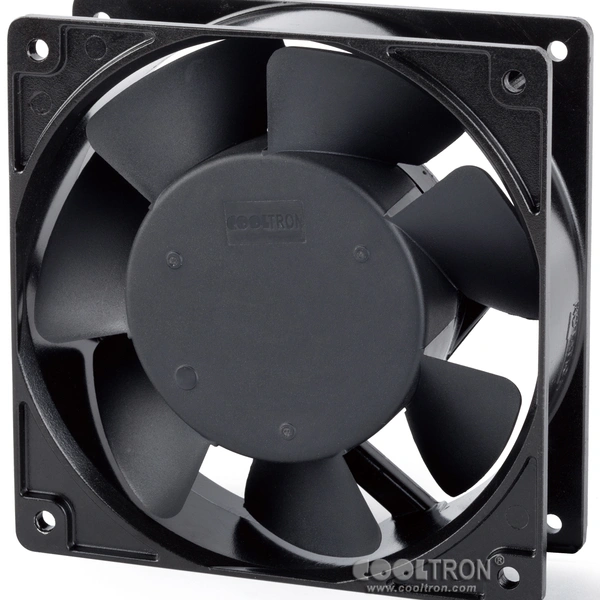 Read More
 -
Cooltron's Brushless Fans: Unmatched Industrial Performance
August 26, 2024In the heart of Texas, at one of the largest data centers in North America, engineers were facing a significant challenge. The fac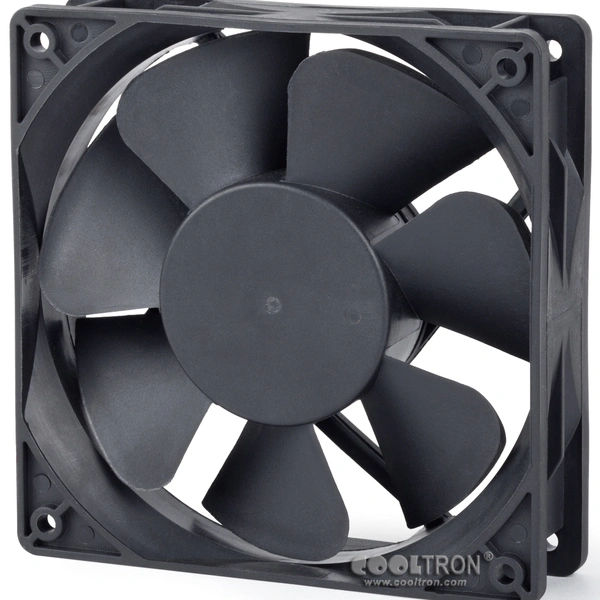 Read More

Contact Us
Recommended Products
-
 92x92x25mm 24V DC Axial Cooling Fan With Alarm SignalUS$ 22.5 - 25MOQ: 2 Pieces
 -
40mm Aluminum Fan Filter for Cooling Fans Dust ProtectionUS$ 3.6 - 4MOQ: 5 Units
-
Cooltron 80mm Flame-Retardant Plastic Fan Filter FPF-080A-40US$ 2.3 - 2.6MOQ: 2 Units
-
40mm 12V DC Axial Cooling Fan High Speed 11500RPMUS$ 17.5 - 20MOQ: 2 Pieces
-
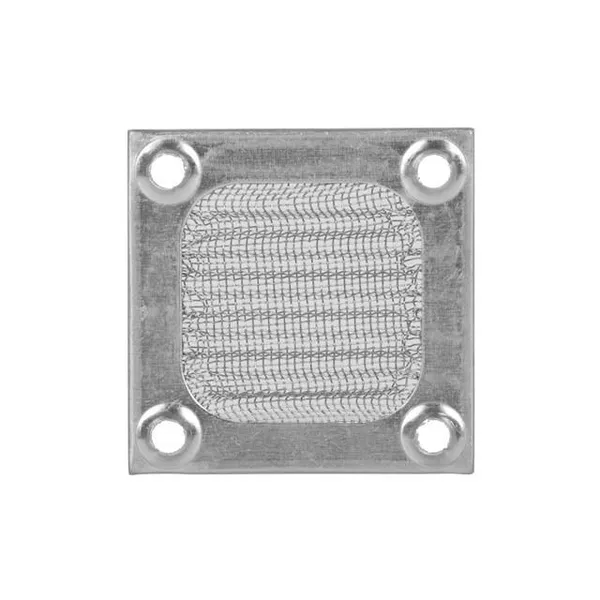
120mm Aluminum Fan Filter for Axial Cooling Fans ProtectionUS$ 4.0 - 4.6MOQ: 2 Units
-
120mm AC Axial Cooling Fan 115V/230V High Airflow Low NoiseUS$ 25 - 30MOQ: 2 Pieces
-
High-Performance 92x92x25mm AC Fan 115V Dual Ball Bearing Impedance ProtectedUS$ 25 - 26MOQ: 2 Pieces
-
120mm AC Axial Fan 115V High CFM Industrial Cooling SolutionUS$ 17 - 25MOQ: 2 Pieces
-
Cooltron 80mm 24V DC Dual Ball Bearing Quiet Industrial Cooling FanUS$ 8 - 12MOQ: 2 Pieces
-
AC Fan 172x150x51mm 115VAC Cooling FanUS$ 50 - 62MOQ: 2 Pieces
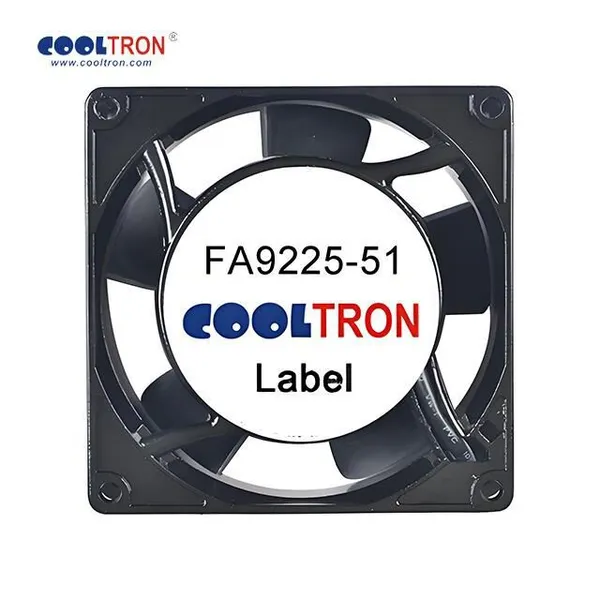
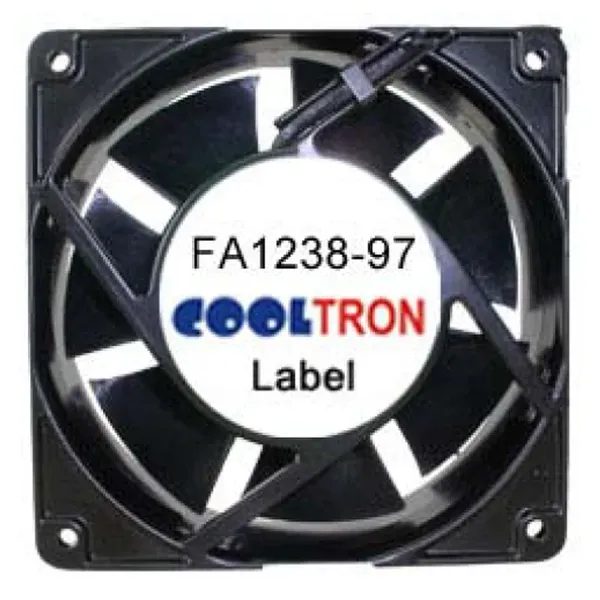
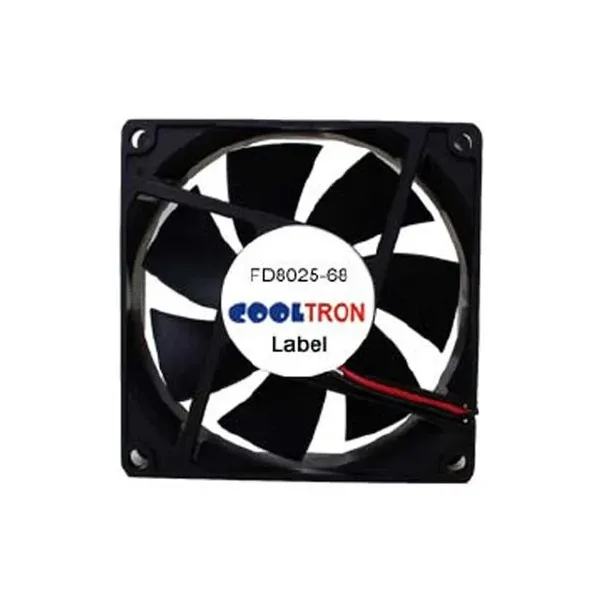
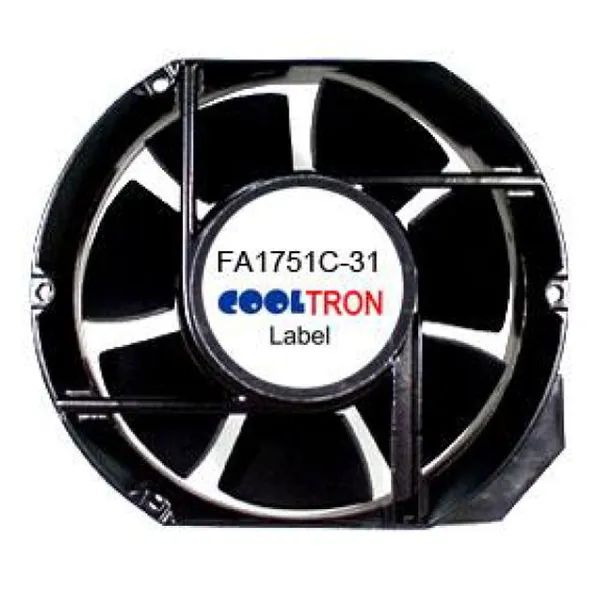
-
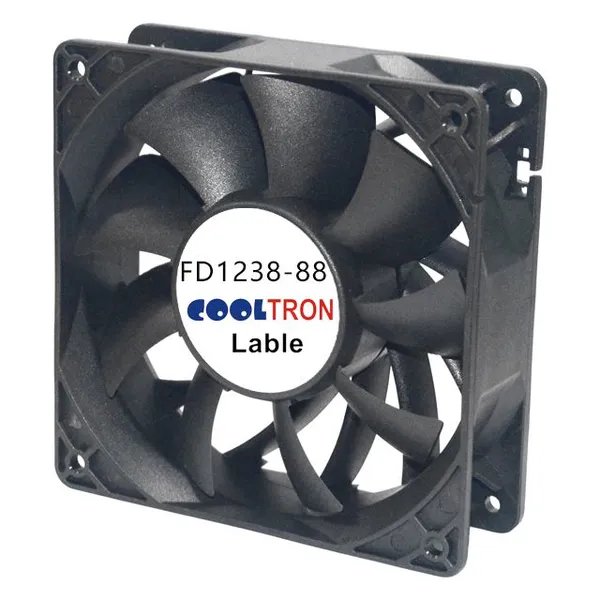
Cooltron Muffin fan 120x120x38mm 12v 24v 48v dc Axial Fan FD1238-88 SeriesNegotiableMOQ: 1 Piece
-
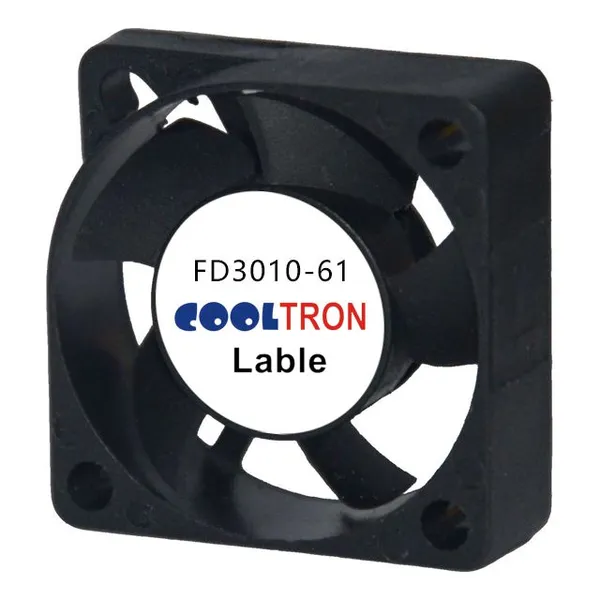
High Speed dc Fan 30x30x10mm FD3010-61 Series dc Cooling FansUS$ 30 - 200MOQ: 1 Piece
-
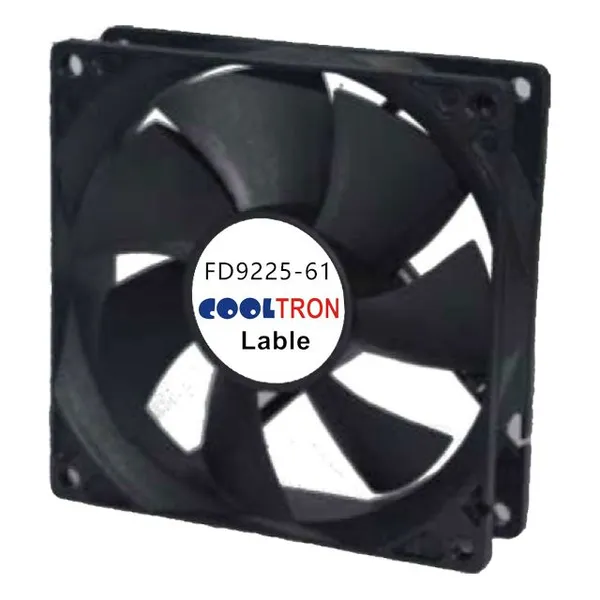
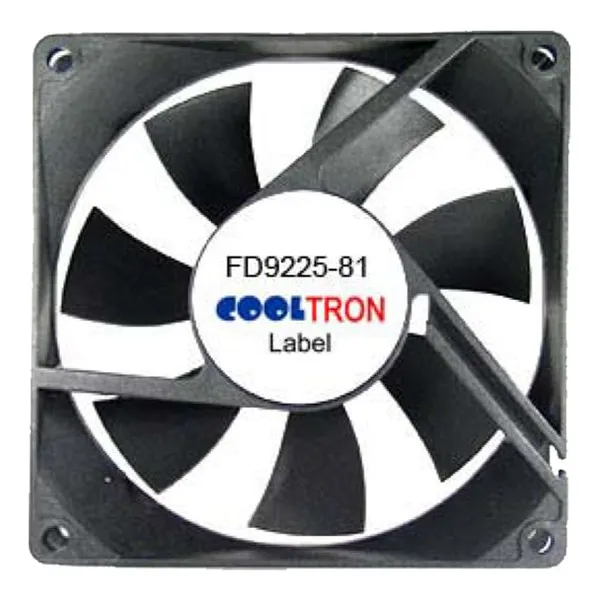
Most Powerful 12v dc Fan 92x92x25mm FD9225-61 SeriesUS$ 30 - 200MOQ: 1 Piece
-
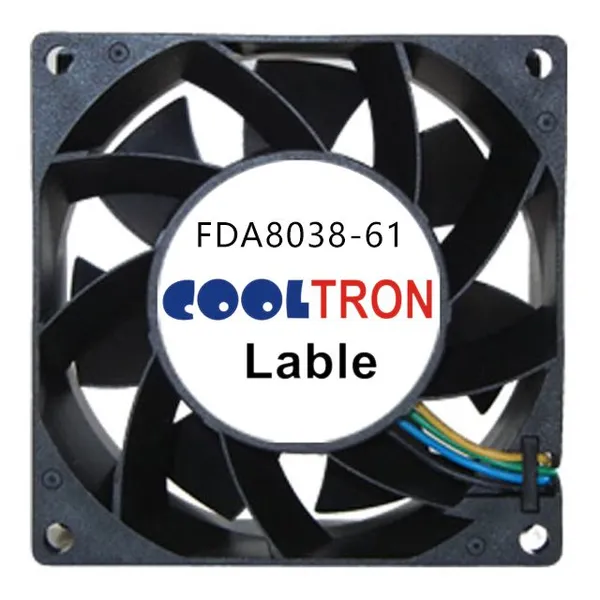
FDA8038-61 Series AC-DC Axial Fans 80x80x38mm | Cooltron FansUS$ 30 - 200MOQ: 1 Piece
-
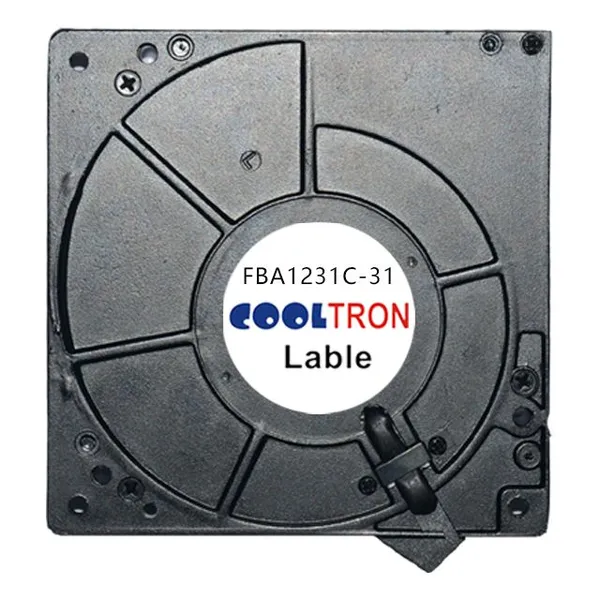
AC Axial Blowers FBA1231C-31 Series 125x126x40mm Low Noise ac Blowers FanUS$ 30 - 200MOQ: 1 Piece